The Smart Neurostimulation System  integrates best-in-class neural sensing and stimulation with advanced AI to personalize therapy

The Smart Neurostimulation System

The Smart Neurostimulation System (SNS) is an AI-guided, closed-loop brain stimulation system. It is being designed to listen to unique brain patterns, detect suspected periods of memory loss, and deliver a customized neurostimulation therapy to rescue the brain networks associated with memory.
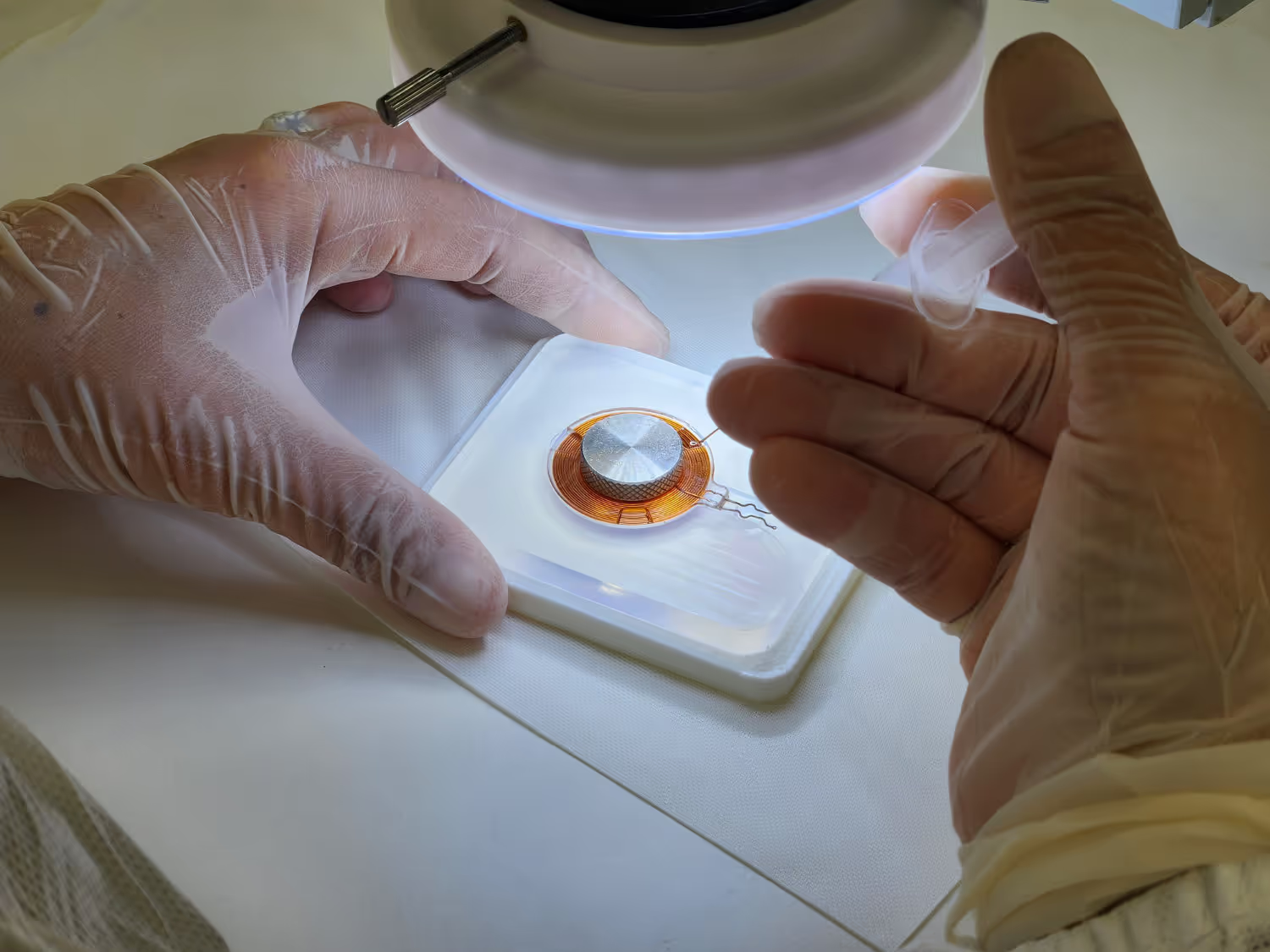
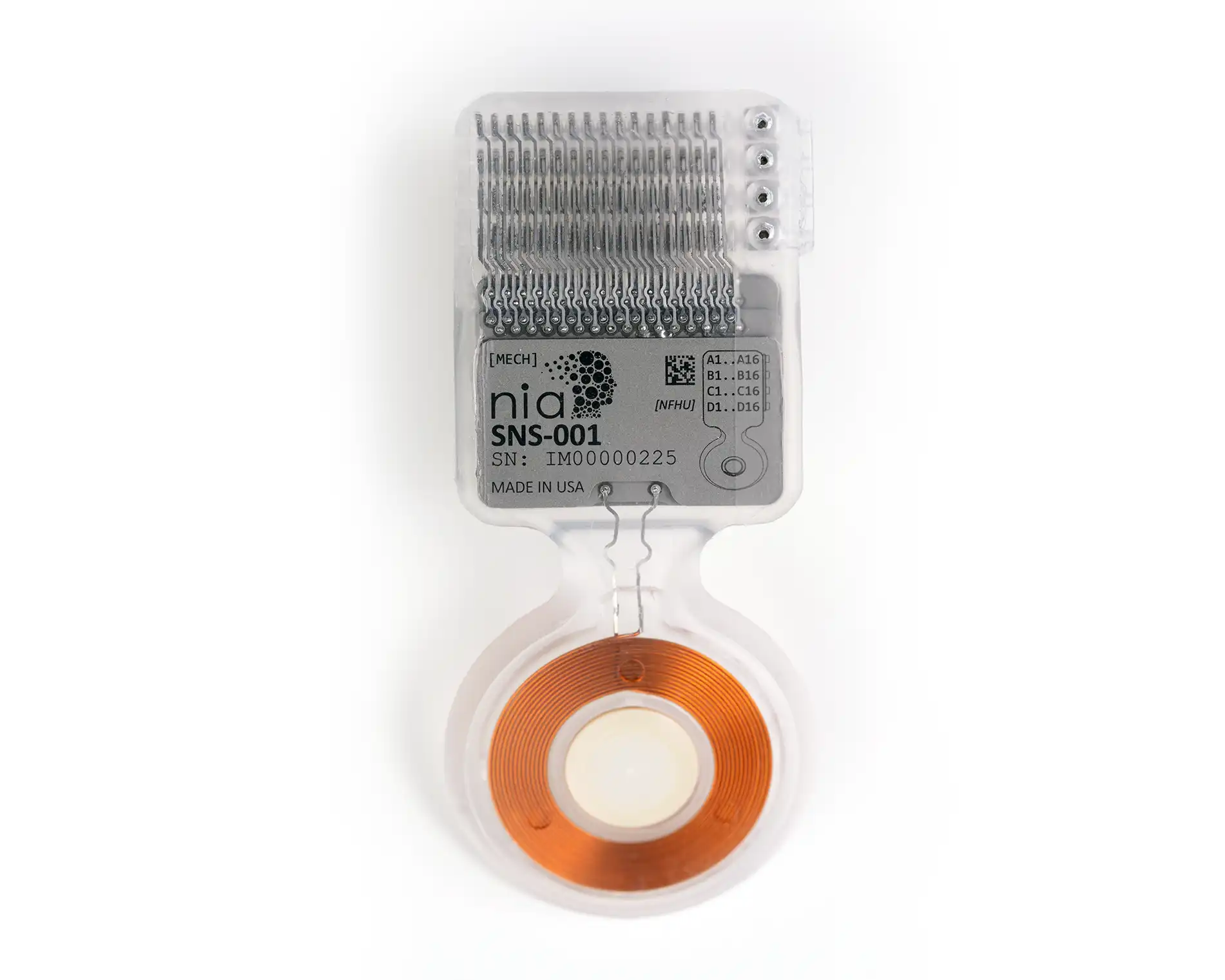
Close-up of IPG
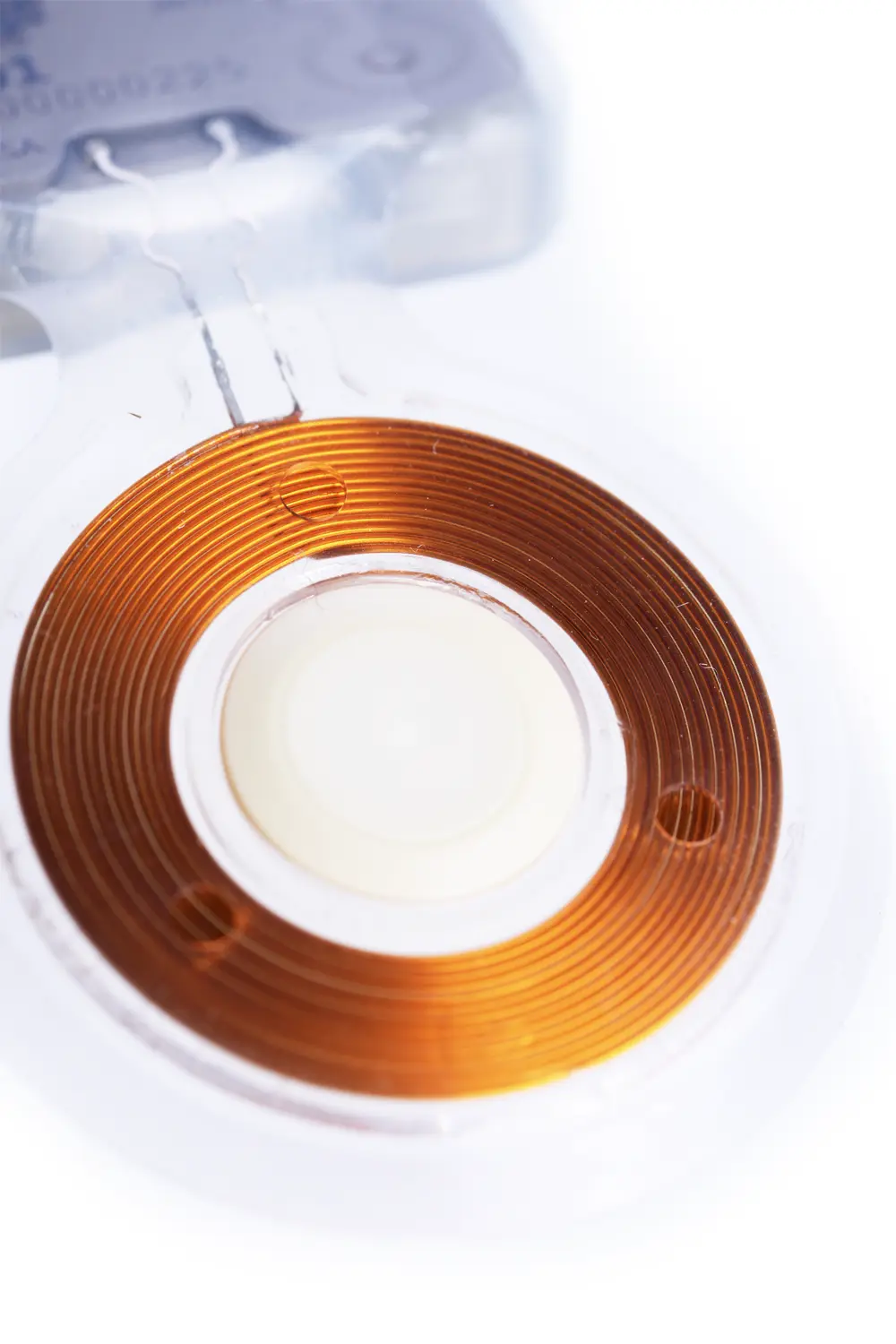
Close-up of IPG Coil
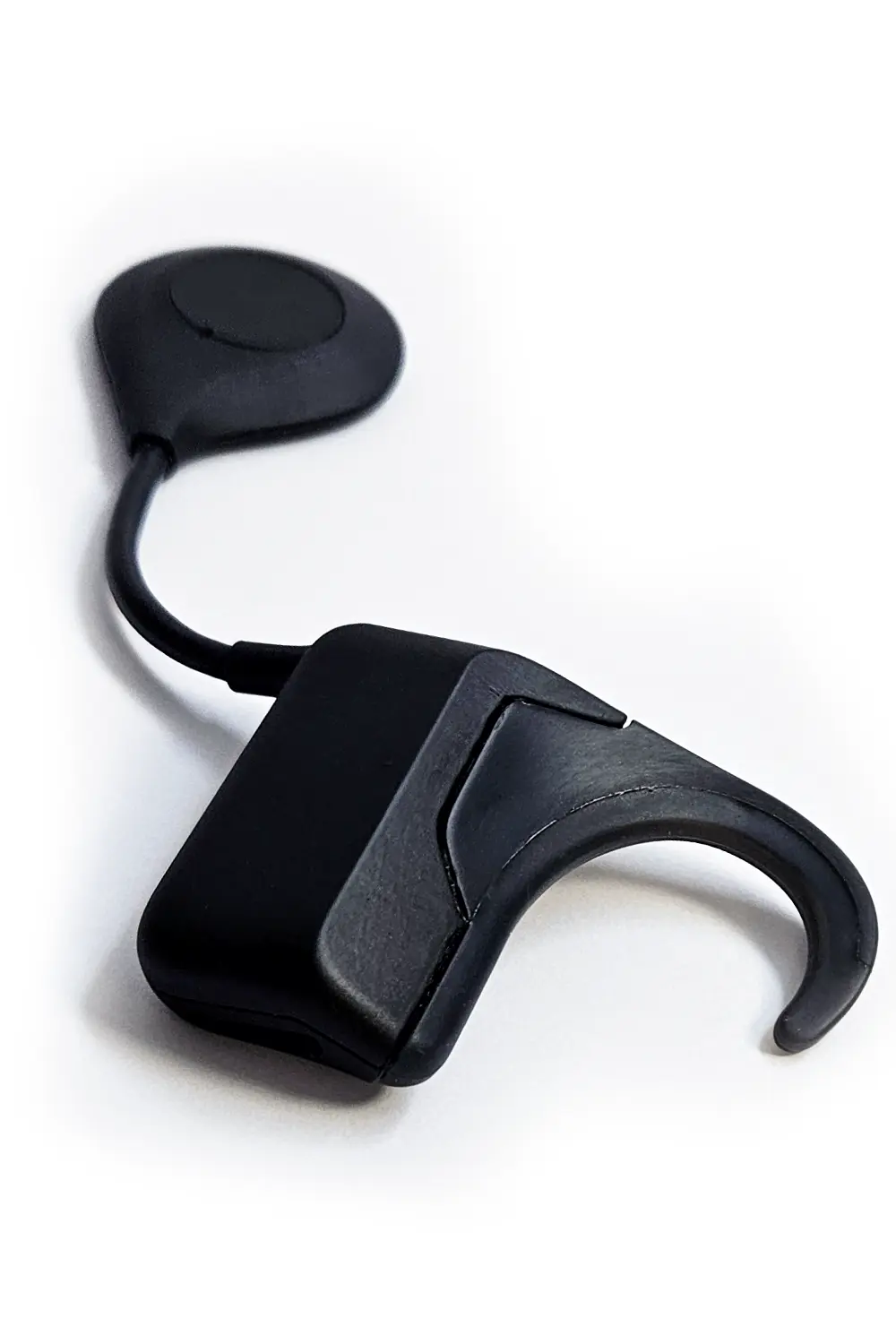
Close-up of external processor
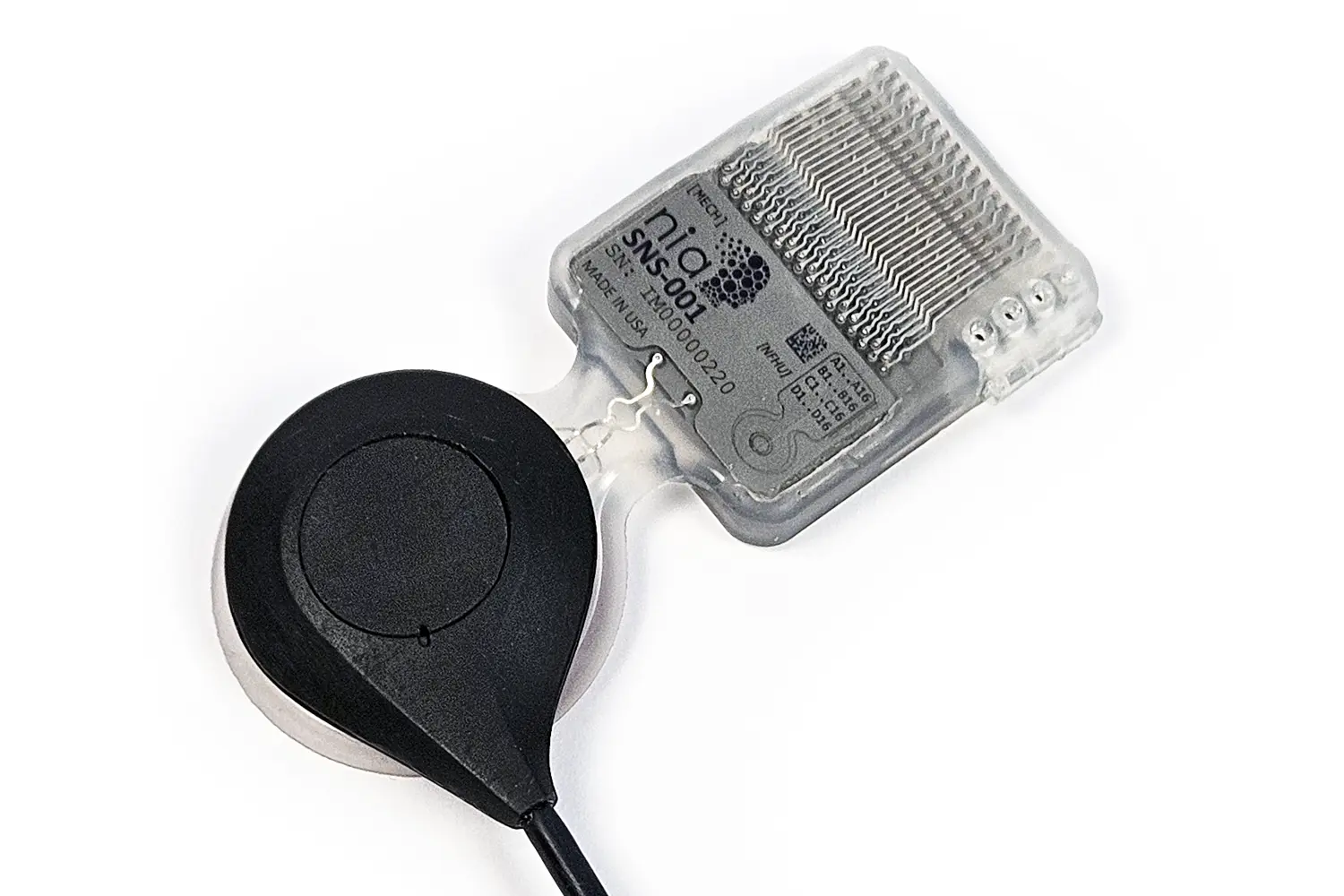
SNS device
1
2
3
4

Tap a button to explore the Smart Neurostimulation System

1. Neural Implant

The Neural Implant contains circuits designed for sensing and stimulating the brain. It was designed to determine when memory encoding is not occurring efficiently, and then to deliver gentle pulses of electrical stimulation with the aim of rescuing brain activity associated with strong memory performance.

2. External Processor

The External Processor is designed to be worn over the ear and wirelessly power the Neural Implant. It also acts as a secure communication hub with the Cloud AI Platform and Nia’s mobile/web application. It is designed for ease of use and comfort, to allow users to monitor their device performance through a user-friendly interface.

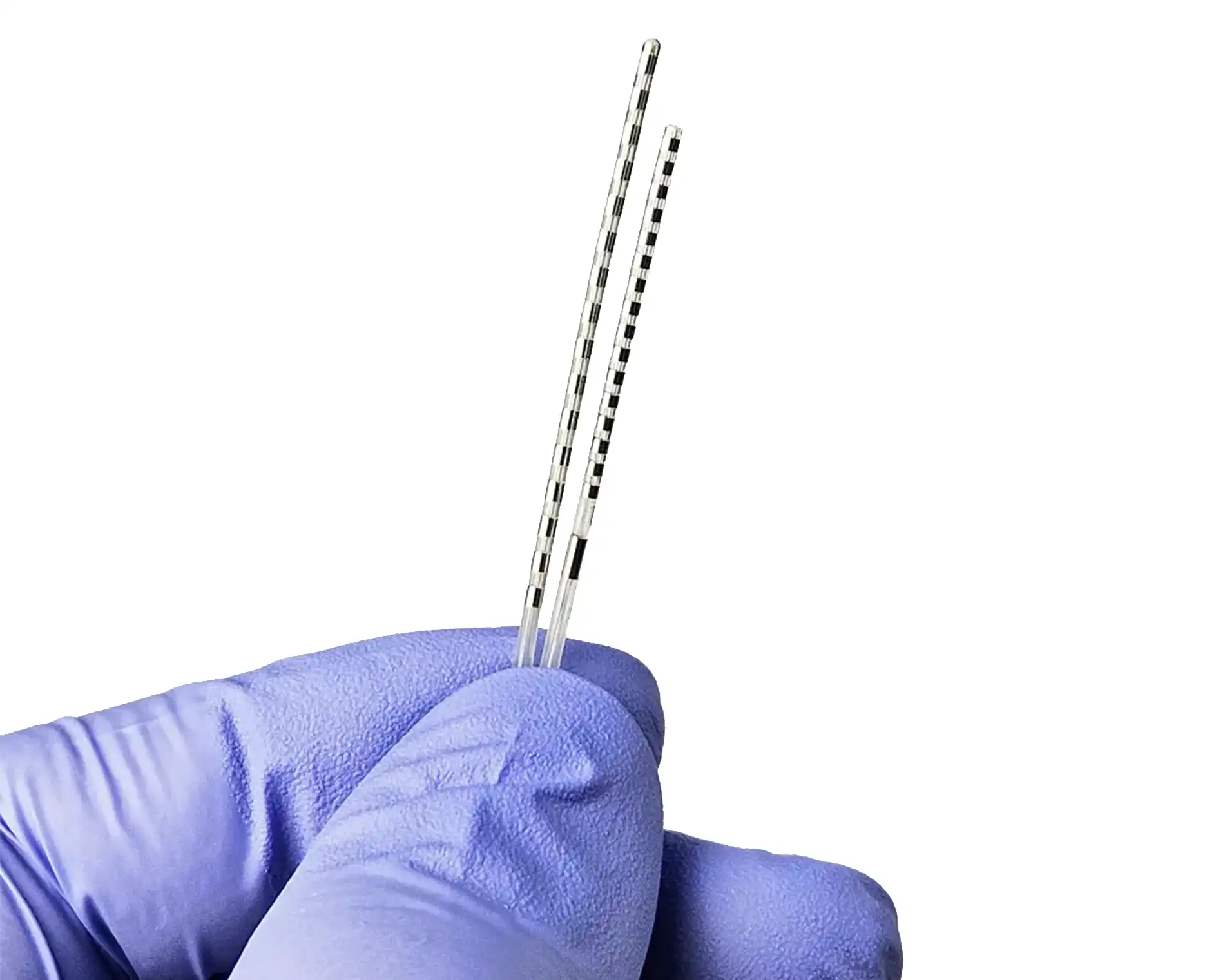
3. Depth Leads

Each depth lead contains tiny electrodes that are designed to interface with the brain’s memory network to sense neural activity and administer stimulation. Each SNS contains 4 depth leads, each with 16 electrodes, for a total of 64 electrodes. Nia plans for the depth leads to be placed in specific locations within each user’s brain to optimize the therapy’s effectiveness.

4. Cloud AI Platform

The Cloud AI platform contains algorithms designed to identify memory-related brain activity and to customize the stimulation parameters for each user. As a user continues to use the SNS, the algorithm is designed to continue to learn to more accurately identify lapses in memory, and the personalized stimulation parameters that can most effectively restore memory performance.

The SNS as a Neural Data Platform

The Smart Neurostimulation System (SNS) will not just be a treatment; it will be a powerful neural data collection platform. It's designed to gather unprecedented amounts of neural data on human memory, which will accelerate our understanding of memory and other cognitive functions.

The SNS improves the decoding and data-streaming capabilities of approved devices by 15x.

Data collected in our upcoming trials will exceed all presently published intracranial neural data on human memory.

Data Platform Deep Dive

The Flywheel of Innovation

Fueling the Flywheel: Continuous Improvement through Data

The SNS platform is designed to become a self-improving "flywheel of therapy innovation." As our data set grows, our AI will continuously improve its ability to understand complex brain activity patterns related to memory and other cognitive processes. This ongoing learning will refine the therapy's effectiveness over time.
Unlocking Broader Insights

Beyond Memory: Correlating Neural Data with Overall Health

The long-term, continuous data sets collected by the SNS could enable novel correlations with other continuous physiological data (e.g., cardiovascular health, mental health, sleep patterns). This extensive data can bring unprecedented insights into the interconnectedness of brain activity and overall well-being.
Advancing BCI Capabilities

Pioneering the Next Era of BCI

The sheer volume and quality of data collected by the SNS platform can unlock a deeper, foundational understanding of brain activity. This data is poised to help usher in a new era of BCI capabilities, accelerating research and development across the entire field.
CORE CONCEPTS

The Science of Memory Restoration

Our Smart Neurostimulation System is built upon a decade of scientific discovery, translating neuroscience into a transformative therapy for memory loss.
How does memory formation work?

Biomarkers of Memory Encoding

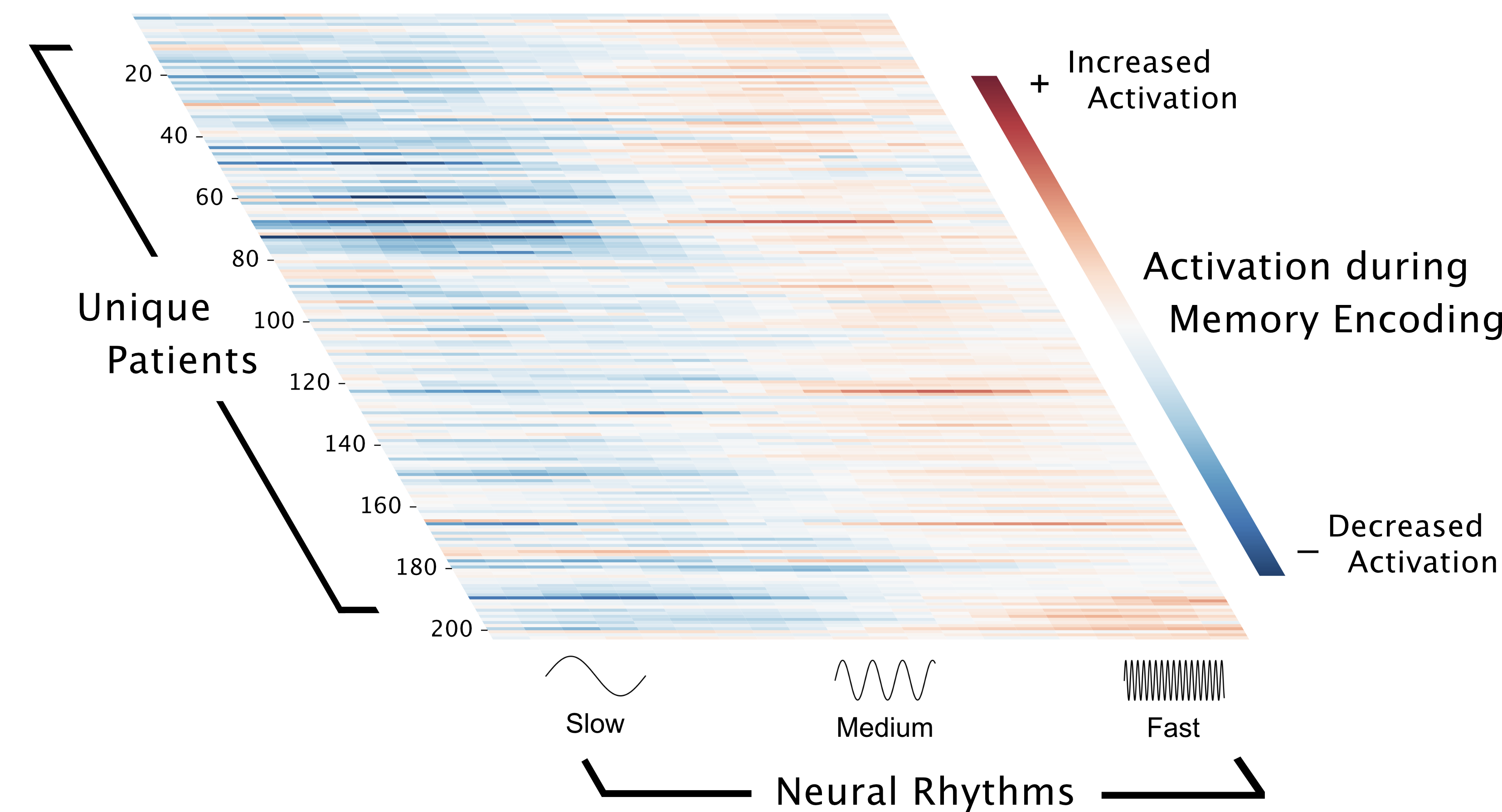
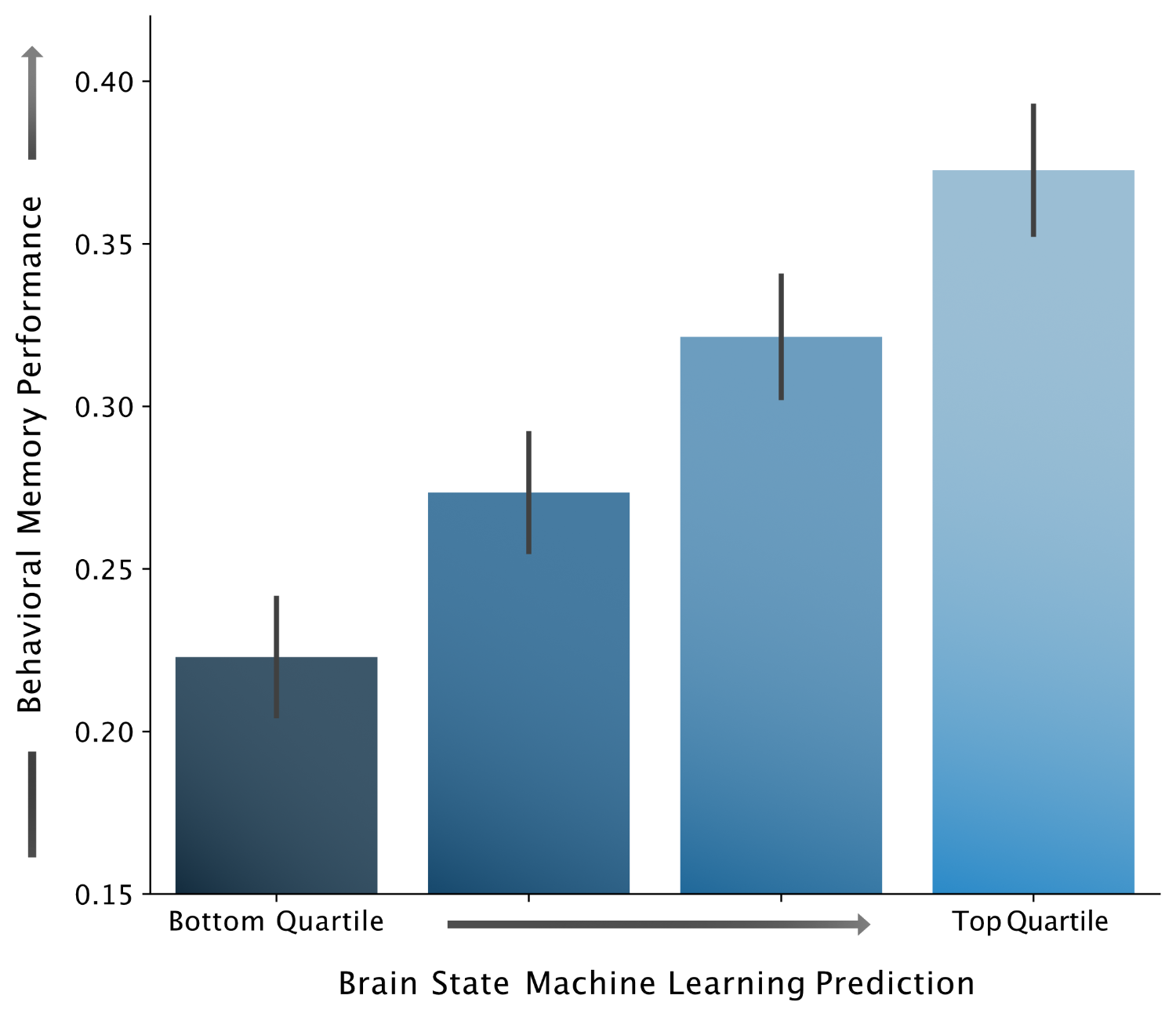
Certain patterns of brain activity underlie successful memory encoding. While common patterns emerge across individuals, the specific patterns vary from person to person. Using electrodes placed within the brain, we detect patterns that predict momentary memory lapses in each individual.
Can AI predict memory formation?

Classification of Memory States

Our Smart Neurostimulation System uses AI to decipher when the brain is in a good or poor state for memory formation and retrieval. When the classifier predicts that our brain is in a good memory state, we are more likely to remember the experienced information.
How can memory formation be restored?

Closed-Loop Stimulation Therapy

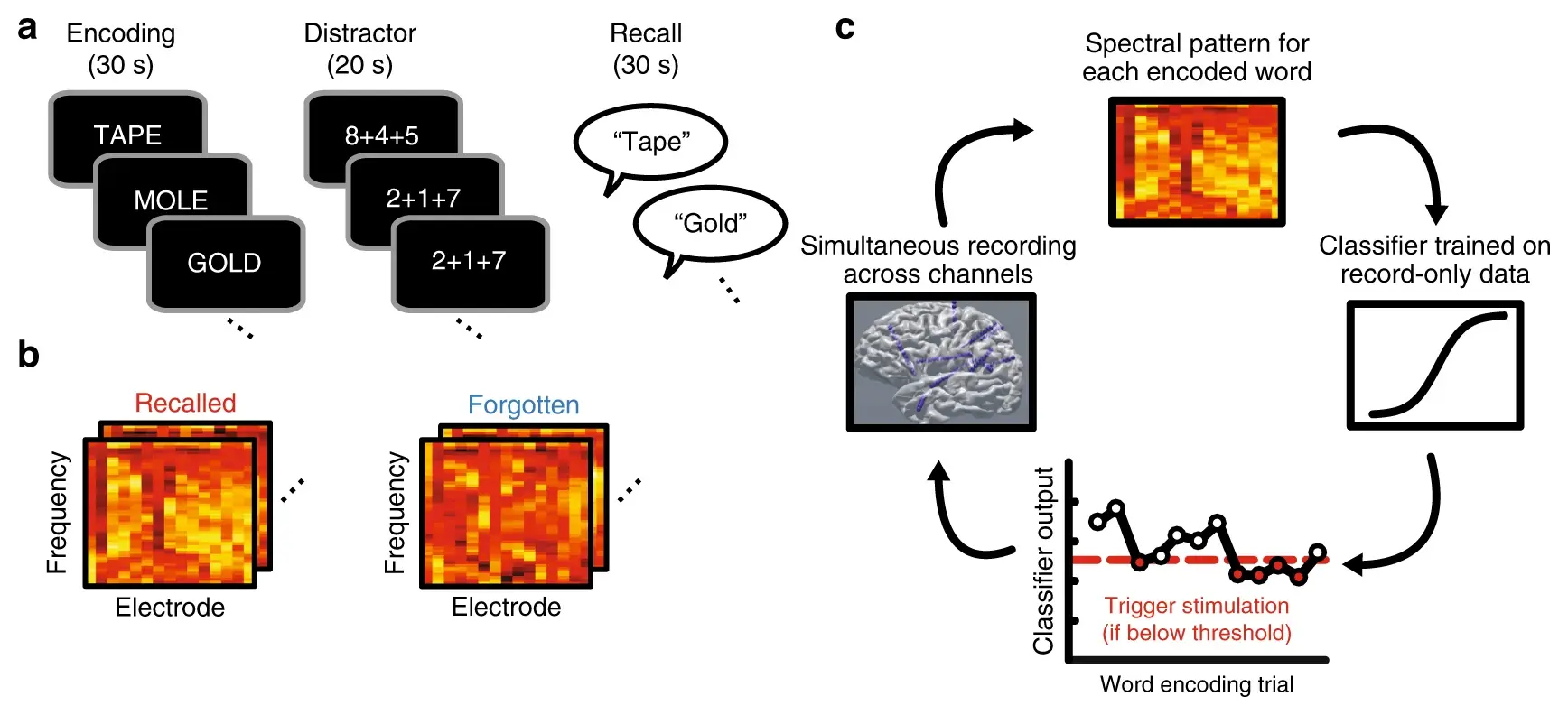
The electrodes record neural signals and the AI algorithms use those data to decode momentary periods of good and poor memory. When it is determined that the brain is not in a state conducive to successful memory function, our therapy applies gentle electrical stimulation to coax the brain into a more functional state.

Defining the neural network of memory

Research from Dr. Kahana’s team has identified the network of brain regions critical to remembering items from lists of words.
By testing participants with electrodes implanted in their brain, Dr. Kahana’s team precisely mapped brain activity during successful memory encoding. Their research identified a network of critical brain regions that show increased high-frequency activity (HFA) during memory encoding. Crucially, they revealed that memory encoding involves two distinct phases of HFA increases: an early phase in visual and medial temporal areas, followed by a later phase in frontal and parietal regions (Burke et al., 2014). This work provided a detailed spatio-temporal understanding of the neural processes underlying human memory formation. With this new understanding of the brain’s memory network, Dr. Kahana’s team explored not just where in the brain memory resides, but how to directly stimulate these areas to correct lapses in memory.

Modulating memory-related brain states using direct brain stimulation

In 2017, the team determined that the brain effectively operates in two different “memory states,” one that allows memories to be effectively stored, and another that does not. They also showed that they could flip the switch using direct stimulation of the brain, toggling between the “forgetting” and “remembering” brain states (Ezzyat et al., 2017).
Machine learning graph
To accomplish this, the team first trained machine-learning classifiers to identify these distinct "memory states" from brain activity that predicted whether a word would be remembered or forgotten during learning. They then applied electrical stimulation in real-time based on these predictions, finding that stimulation delivered during predicted "poor" encoding states significantly improved memory recall. Conversely, stimulation applied during predicted "good" encoding states tended to disrupt memory, demonstrating that the effect of stimulation is highly dependent on the brain's momentary cognitive state.

Using feedback from the brain to improve treatment

In 2018, the team took this concept one step further by using AI to predict the brain’s state in real-time, and using this prediction to control stimulation delivery. This is called personalized, closed-loop stimulation, because the stimulation therapy is meant to be personalized to each participant’s unique pattern of brain activity (Ezzyat et al., 2018).
In this study, personalized stimulation to the temporal lobe during periods of poor predicted memory resulted in memory improvements. It was found that delivering this personalized stimulation to the temporal lobe specifically during periods when memory performance was predicted to be poor resulted in significant improvements in memory. This demonstrated the power of real-time, AI-driven feedback to precisely intervene and enhance human memory function.

Incorporating AI algorithms to optimize brain stimulation patterns

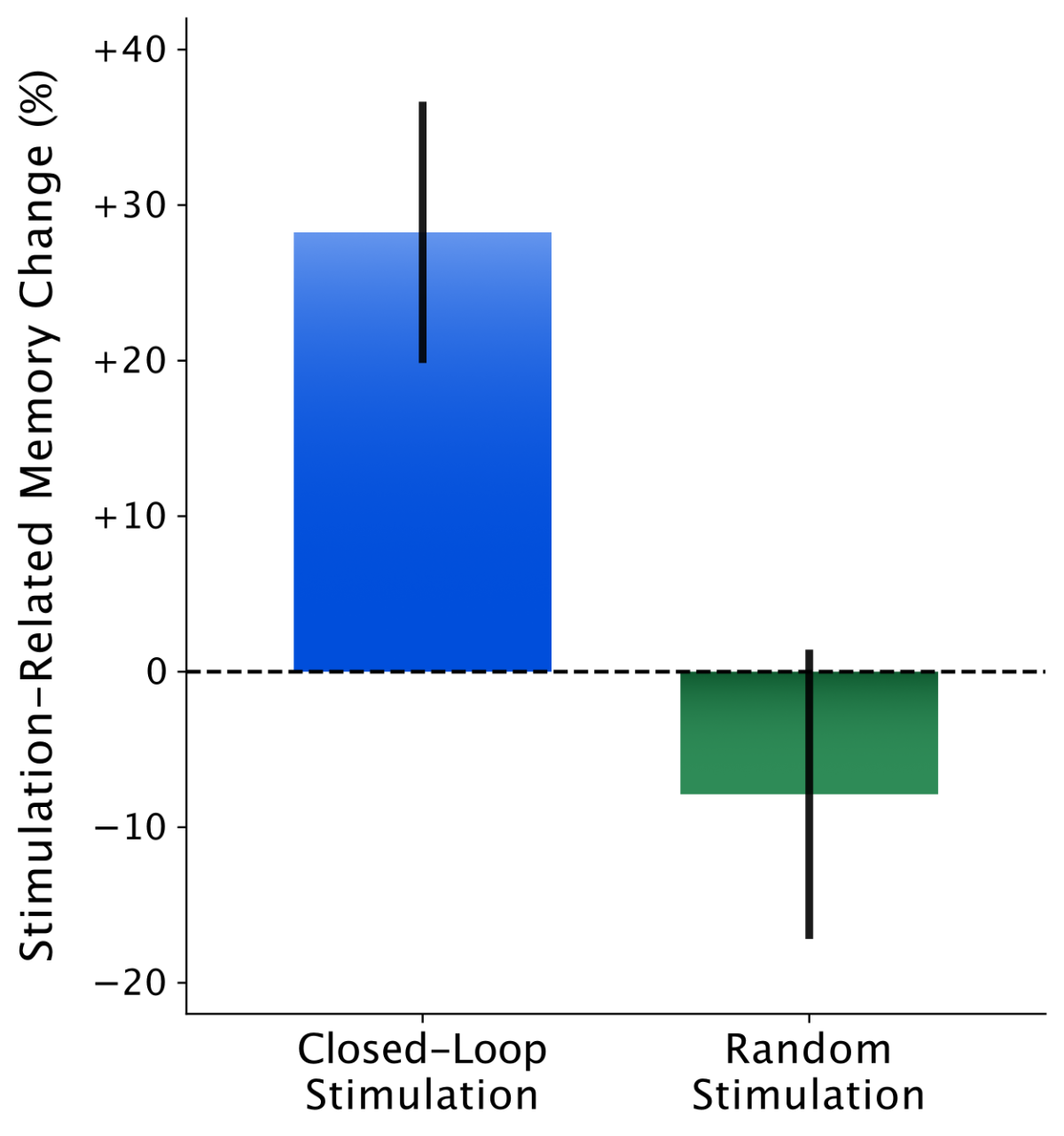
Finally, the team incorporated all of these learnings into a study of participants with a history of TBI. We showed that AI-guided, closed-loop stimulation of the temporal lobe improved verbal memory in participants with TBI (Kahana et al., 2023).
Stimulation graph
This study integrated prior findings on memory states and closed-loop stimulation into a clinical investigation specifically involving participants with a history of moderate-to-severe traumatic brain injury (TBI). Using a research prototype, the team trained personalized machine-learning classifiers to predict momentary memory lapses in these TBI patients based on their neural activity. They then applied AI-guided, closed-loop electrical stimulation to the temporal lobe when memory was predicted to fail. This targeted intervention resulted in a significant boost in verbal memory recall with stimulation versus without stimulation, providing crucial proof-of-concept for this approach in TBI-related memory impairment (Kahana et al., 2023), (Kahana et al., 2024).